Try a small experiment. Place one hand on your chest and the other on your belly, and take a few normal breaths without changing anything. Which hand moves more? If it’s the one on your chest and your shoulders rise with every breath, you’re in very good company. Many people who spend hours sitting, in front of screens or under stress, breathe this way without realizing it.
The diaphragm: a muscle for breathing and stability
The diaphragm is your main breathing muscle. It’s dome-shaped and sits just beneath your lungs. When you breathe in, it moves down and makes room for air. At the same time, it works together with your deep abdominal muscles and your pelvic floor to stabilize your trunk.
In other words, the same system that helps you breathe also helps you stand, lift and move with stability.
What happens when breathing becomes “high”
When the diaphragm doesn’t do as much as it could, other muscles pick up more of the work. The muscles of your neck and shoulders help lift your rib cage with every breath. If this happens again and again throughout the day, it can contribute to:
- tension and pain in your neck and shoulders
- a feeling that you “can’t get enough air”
- a more rounded posture in your upper back
- less stability in your trunk and extra strain on your lower back
The relationship works the other way, too. A slumped posture restricts how your rib cage moves and makes deep breathing harder. Often each one affects the other, in a cycle that keeps itself going.
“You don’t need to breathe ‘perfectly.’ Your body needs to have options, so it can breathe slowly and low down when you want to calm down.”
Three simple exercises to get you started
Do them calmly, without forcing anything. If you feel dizzy, stop and return to your natural breathing.
-
Rib breathing. Sit comfortably and place your hands on the sides of your rib cage. Breathe in through your nose and feel your ribs widen out into your hands. Let the air out slowly through your mouth. Continue for one to two minutes.
-
Longer exhale. Breathe in for a count of four and breathe out for a count of six or eight. A slower exhale helps many people relax. Do a few rounds, without holding your breath.
-
Side-lying chest opener. Lie on your side with your knees bent and your arms stretched out in front of you. As you breathe in, open your top arm toward the other side, like a book opening. As you breathe out, bring it back. Do a few repetitions on each side.
Two or three minutes a day is enough to start noticing how you breathe, and that awareness is already a first step.
When to ask for help
Breathing exercises are safe for most people, but they don’t replace a medical assessment. Talk to a doctor if:
- you have shortness of breath that is new or getting worse
- you have chest pain, especially when you exert yourself
- you have a persistent cough or wheezing
- shortness of breath wakes you up at night
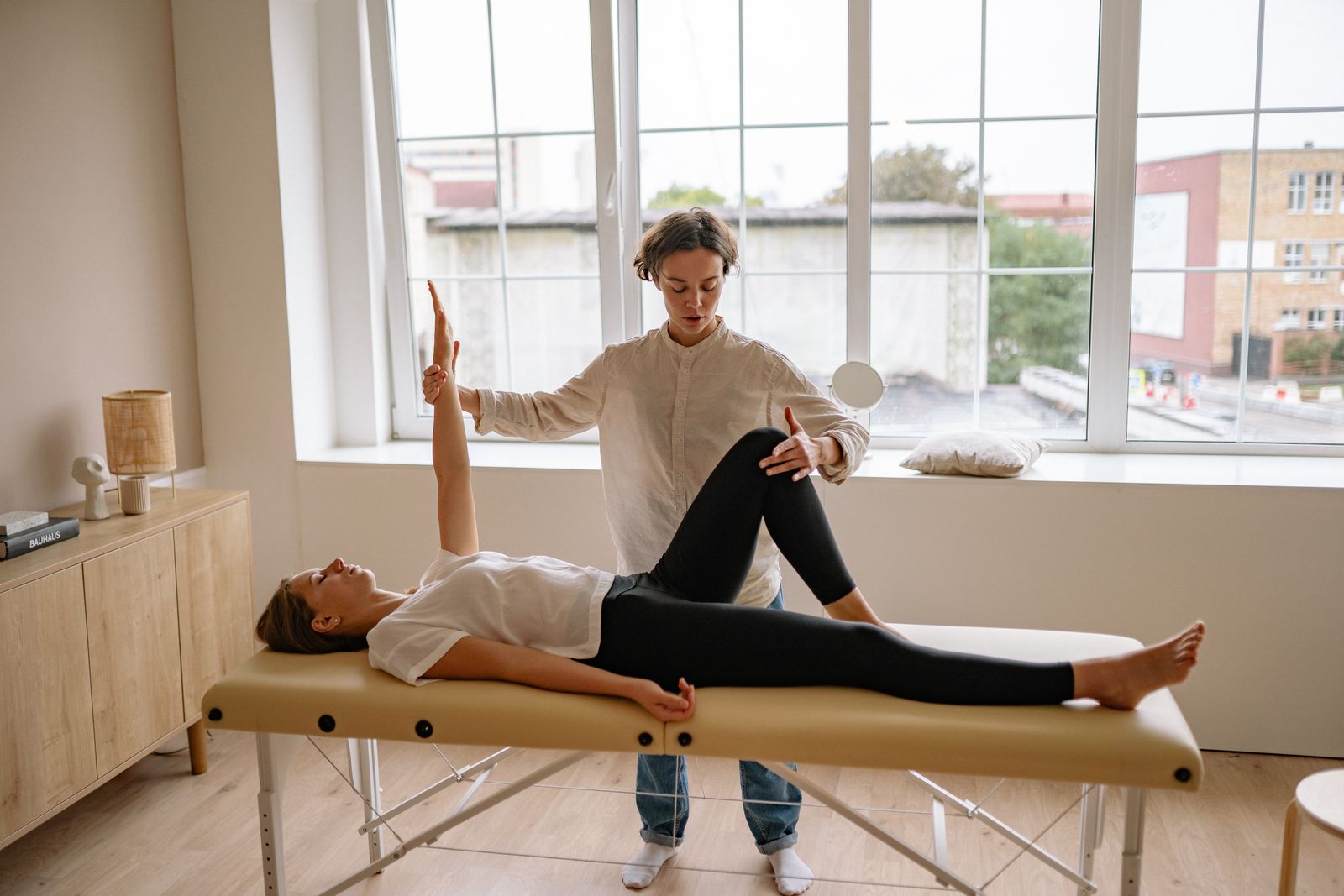
If the medical picture is clear but you feel that your breathing is always shallow, your neck tight and your posture tired, an assessment with a physiotherapist can help you see how all of this connects in your own body.
Book an assessment at Reset Lab and let’s look together at how you breathe and how you move.
Related treatments
This content is for information only and does not replace diagnosis or assessment by a health professional. If your pain is severe, getting worse or comes with other symptoms, contact your doctor.